
Why Lawns Fail in Sioux Falls New Construction Homes
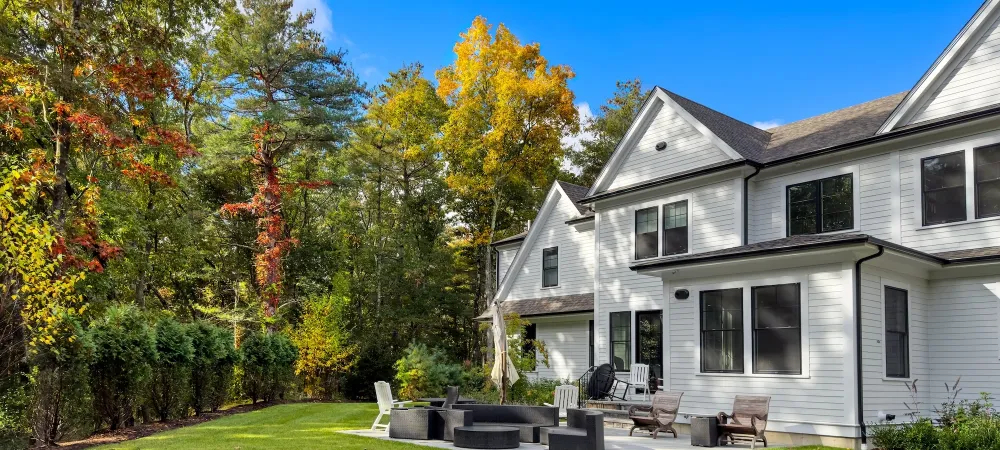
You moved into your new Sioux Falls home, the builder put down seed or sod, and within a season the lawn is thin, patchy, or refusing to grow in entire sections. You're watering, mowing, maybe even fertilizing, but nothing seems to work. This is one of the most common lawn situations we encounter in growing communities like Harrisburg, Brandon, and Tea, and the cause almost never has anything to do with what you're doing wrong.
What You Need to Know
- The problem is almost always underground: Construction equipment compacts and disrupts soil in ways that prevent healthy root development, often for years after a home is built.
- Builder seed or sod is a starting point, not a solution: Most new construction lawns are established just enough to look acceptable at closing. Long-term success requires active intervention.
- There's a clear fix: The right combination of aeration, soil amendment, proper fertilization timing, and consistent care can restore even heavily degraded new construction soil.
In 27 years working throughout the Sioux Falls metro, we've seen this pattern on subdivision after subdivision. The lawn that looked fine in the spring listing photos is struggling by August of the first year. Here's why that happens, and what to do about it.
What Actually Happens to Your Soil During Construction
Before the framing crew arrives, an excavator cuts the foundation, grades the lot, and moves significant amounts of soil around the property. Heavy equipment, often weighing tens of thousands of pounds, makes dozens of passes across what will eventually become your yard. The result is compaction that can penetrate 12 inches or more into the soil profile.
According to University of Delaware Cooperative Extension, compaction from construction equipment can persist for many decades after a home is built, unlike the shallow surface compaction caused by normal foot traffic or mowing equipment. The heavy machinery presses soil particles so tightly together that the pore spaces, the tiny openings that allow water, oxygen, and nutrients to move freely, are effectively eliminated.
Grass roots need loose, porous soil to grow deep. In compacted soil, roots hit resistance a few inches down and spread laterally near the surface instead. That makes the turf vulnerable to heat, drought, and anything else that disrupts the thin zone where those roots actually live.
The Topsoil Problem in New Construction Lots
Here's something most new homeowners don't know: when a builder grades a lot, the original topsoil is frequently stripped, stockpiled, or buried under fill material used to shape drainage and foundation grades. What gets re-spread over the finished lot is often a thin layer of whatever topsoil was available, sometimes only an inch or two, placed on top of dense fill dirt or subsoil.
Healthy lawn establishment in South Dakota requires at least 4 to 6 inches of quality topsoil over workable subsoil. With one to two inches of thin topsoil over compacted fill, grass may germinate and green up in the first season, but roots have nowhere to go. The lawn looks fine at move-in, then struggles through its first summer and starts showing persistent thin spots and bare patches by fall.
We've found that when a new construction lawn fails in the Sioux Falls area, this soil profile issue is the underlying cause more often than any watering or maintenance problem.
Why Builder Seed and Sod Often Don't Hold
Builders seed or sod new lots for one primary reason: to satisfy a requirement that the property has established ground cover before closing. The seed mixes used are often inexpensive blends selected for fast germination rather than long-term performance in South Dakota conditions. Sod that goes down before the underlying soil issues are corrected will establish a shallow root mat but struggle to send roots into the compacted layers below.
Both seed and sod can look green and healthy in their first season. The problems typically show up the following summer, when heat and drought stress expose the shallow root depth that the poor soil profile created.
Signs Your New Construction Lawn Has a Soil Problem
These are the most common indicators we see in newer-build neighborhoods around Sioux Falls:
- Water pools or runs off after rain rather than absorbing into the soil. This is a reliable sign of compaction, where water has nowhere to penetrate.
- Dry patches appear quickly after watering, even when neighboring areas stay moist. Shallow roots simply can't access deeper moisture reserves.
- Grass thins out in patterns that correspond to where heavy equipment tracked during construction, especially along the sides of the home and near the driveway apron.
- A screwdriver won't push more than 2 to 3 inches into moist soil. In healthy lawn soil, a screwdriver should slide in 6 inches with moderate hand pressure.
- Weeds establish more easily than grass, particularly in bare spots. Annual weeds like crabgrass are opportunistic and don't need the same root depth as Kentucky bluegrass to survive.
- Turf pulls up easily with little resistance, indicating a shallow, poorly anchored root system.
What to Do About It: The Recovery Sequence
The good news is that compacted and depleted new construction soil responds well to the right treatment sequence. It takes time and consistency, but most lawns in newer Sioux Falls subdivisions can be brought to full health within one to two seasons with the right approach.
Step 1: Aeration First
Core aeration is the foundational treatment for compacted new construction soil. By mechanically removing small plugs of soil and redistributing them across the surface, aeration creates pathways for air, water, and nutrients to penetrate below the compaction layer. This is not a one-time fix, particularly on heavily compacted lots. Annual fall aeration for the first two to three years is typically what it takes to meaningfully restore soil structure.
For new construction lawns in South Dakota, fall is the preferred timing for core aeration. Cooler temperatures and more consistent moisture allow the grass to recover quickly and take advantage of the improved soil conditions heading into winter.
Step 2: Fertilization That Matches Where the Lawn Actually Is
A new construction lawn with depleted topsoil needs a different fertilization approach than an established lawn. The priority in the first year or two is root development, not top growth. That means avoiding heavy nitrogen applications that push rapid blade growth while the root system is still shallow, and focusing instead on balanced fertilizer that supports soil biology and root establishment.
Our 5-application fertilizer and weed control program is designed around the seasonal needs of cool-season grasses in the Sioux Falls area, with each application timed to what the lawn actually needs at that growth stage rather than a generic schedule.
Step 3: Power Raking Where Thatch Has Built Up
Some new construction lawns accumulate thatch quickly in their first few seasons, partly due to uneven soil conditions that create inconsistent decomposition rates. Spring power raking removes this buildup and improves the absorption of both water and fertilizer at a critical point in the growing season. For more on how spring lawn prep sequencing works in Sioux Falls, see our spring lawn care checklist for Sioux Falls homeowners.
Step 4: Irrigation Setup and Management
New construction homes in Harrisburg, Brandon, and Tea often come without an in-ground irrigation system, or with a system that was installed before final grading was completed, leaving coverage gaps. Consistent watering during lawn establishment is critical, and manual watering rarely delivers it evenly enough across the full yard.
If your new home doesn't have an irrigation system, or the existing system has coverage problems, this is worth addressing before the second growing season. Our team handles full irrigation system installation, startup, and seasonal maintenance. For a closer look at what proper seasonal irrigation care involves, see our guide on winterizing your sprinkler system.
Step 5: Match the Grass to the Site
Builder seed mixes are often generic. Once you've stabilized the soil profile and the lawn starts filling in, assessing whether you have the right grass type for your specific site conditions is worth doing. Shaded areas, low spots with poor drainage, and high-traffic zones all perform better with specific grass selections. Our post on which type of grass is right for your Sioux Falls lawn covers the options for this region.
What About Summer Stress on New Construction Lawns?
New construction lawns are disproportionately vulnerable to summer heat and drought, precisely because of the shallow root systems that poor soil creates. A lawn with 2 inches of effective rooting depth will struggle in July when an established lawn with 6 to 8 inches of root depth shrugs off the same conditions. If your new lawn is coming into its first South Dakota summer, our guide on preparing your lawn for a South Dakota summer covers what to expect and how to manage it.
The One Thing That Actually Speeds Up Recovery
What we tell every new homeowner in Sioux Falls is this: start the right program in year one, not year three. The most common mistake we see is waiting until the lawn looks obviously bad before taking action. By that point, weed pressure has filled the bare spots, the soil compaction has further settled, and recovery takes significantly longer.
Starting aeration, proper fertilization, and a consistent mowing program in the first growing season gives the soil the best possible conditions to recover while the grass is actively trying to establish. New construction lawns are not the same as established lawns, and they shouldn't be treated that way from the start.
Lawn Care for New Construction Homes in Sioux Falls
If you've recently moved into a new home in Sioux Falls, Harrisburg, Brandon, Tea, or anywhere else in the surrounding communities, Eagle Lawn and Landscape Inc. can assess your lawn's specific situation and build a recovery plan based on what's actually happening with your soil.
We've been working with South Dakota lawns for 27 years. We know the soil profiles common to new construction areas in Minnehaha and Lincoln counties, and we know what it takes to bring them back. Our landscaping services can also address grading, drainage, and soil amendment needs that go beyond standard lawn care if the issues on your property are more significant.
Call us at 605-366-1111 or request a free estimate online to get started.